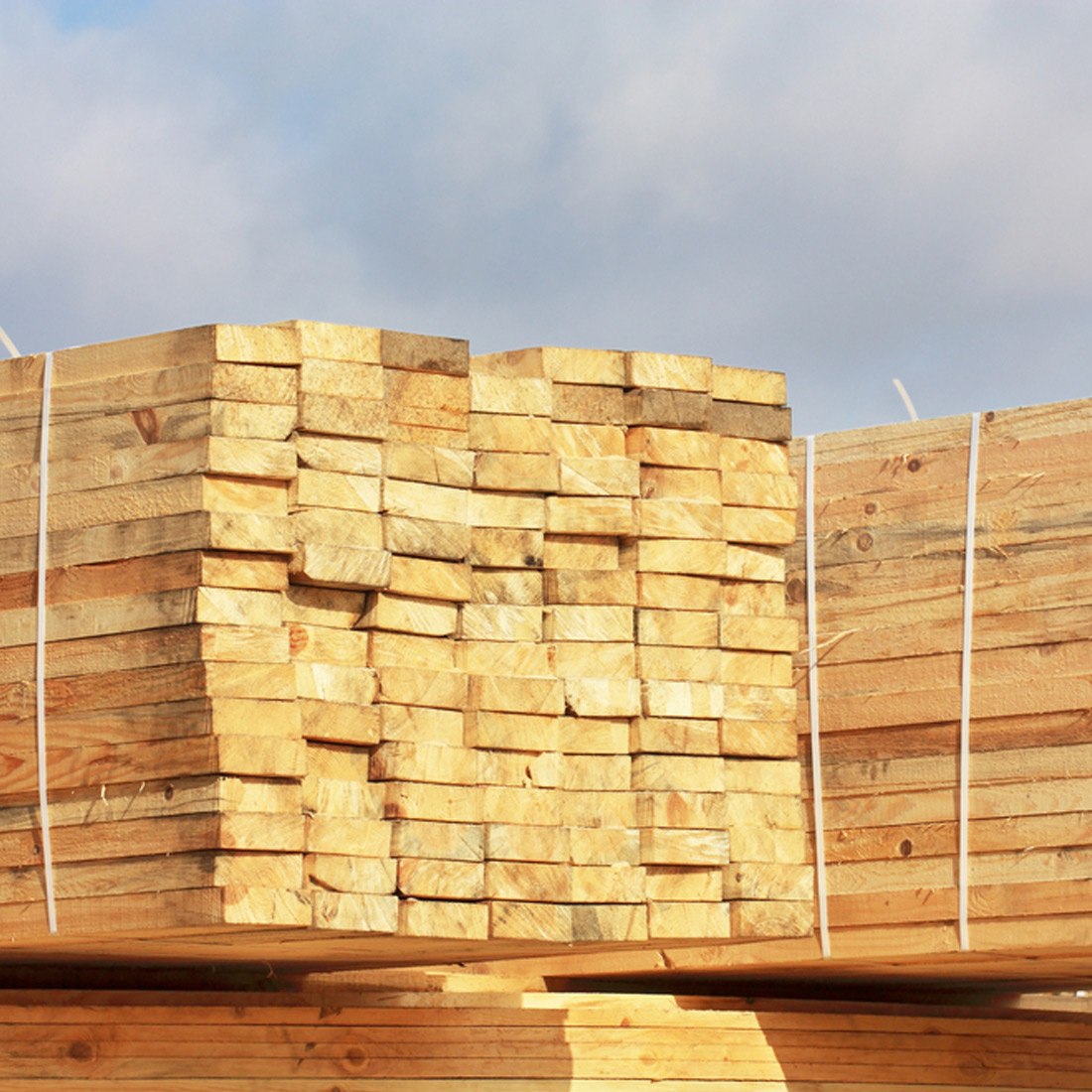
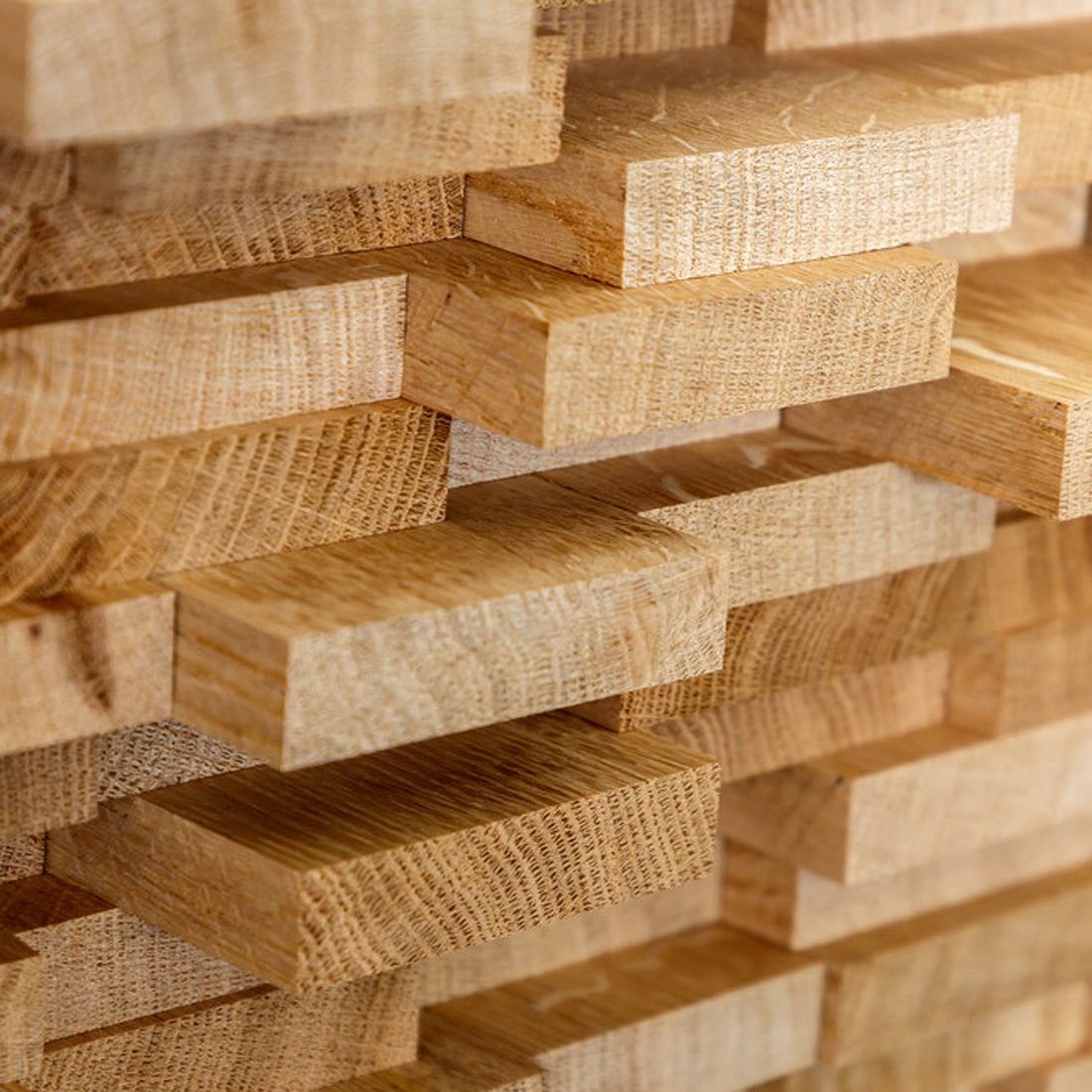
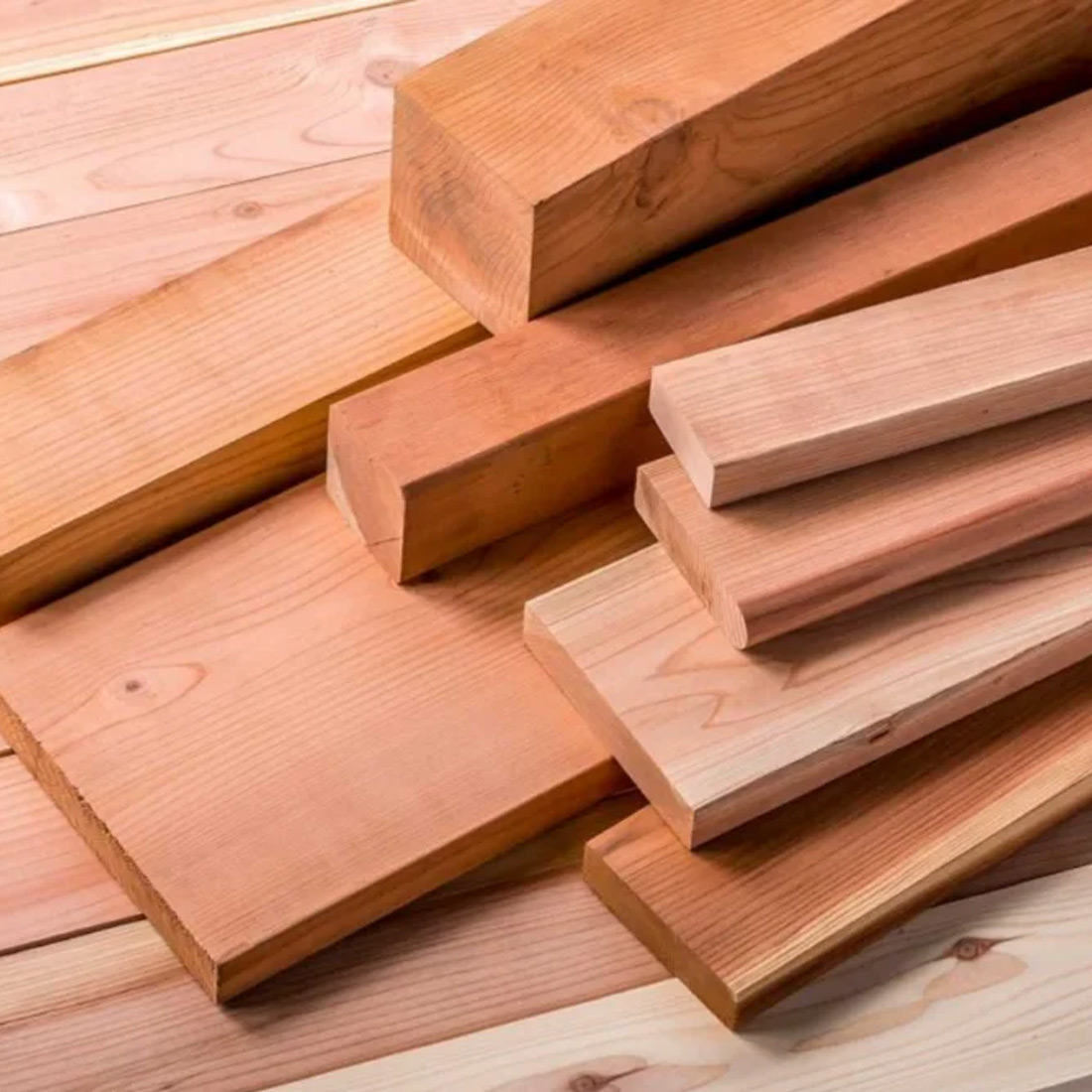
Austrian softwood refers to the timber derived from coniferous trees grown in Austria, such as spruce, pine, fir, and larch. These species are widely known for
their high quality, sustainability, and versatile applications in construction and manufacturing.
Austrian softwood is also valued for its aesthetic appeal and eco-friendly profile, as it is harvested under strict forest management regulations certified by organizations like PEFC and FSC. This makes it a preferred material in both traditional craftsmanship and modern sustainable architecture
Romanian Softwood
Romanian softwood refers to timber obtained from coniferous trees grown in Romania, primarily species such as spruce (Picea abies), fir (Abies alba), and pine (Pinus sylvestris). Romania’s extensive Carpathian forests provide an ideal environment for the
growth of high-quality softwood, making it one of the leading timber exporters in Eastern Europe.
omanian softwood offers a good balance between strength and weight, making it suitable for both structural and decorative applications.Romanian softwood is valued for its quality, versatility, and sustainable sourcing, making it a preferred material in
both domestic and international timber markets.
Brazilian Softwood
Brazilian softwood refers to timber obtained from coniferous trees grown in Brazil, primarily species such as Paraná pine (Araucaria angustifolia) and Brazilian pine. Although Brazil is better known for its vast hardwood rainforests,
it also produces significant quantities of softwood from managed plantations and natural forests, mainly in the southern regions of the country.
Brazilian softwood is widely used in construction, furniture making, plywood and panel production, and interior joinery. It is also a popular choice for export, as it provides a cost-effective alternative to North American and European
softwoods